

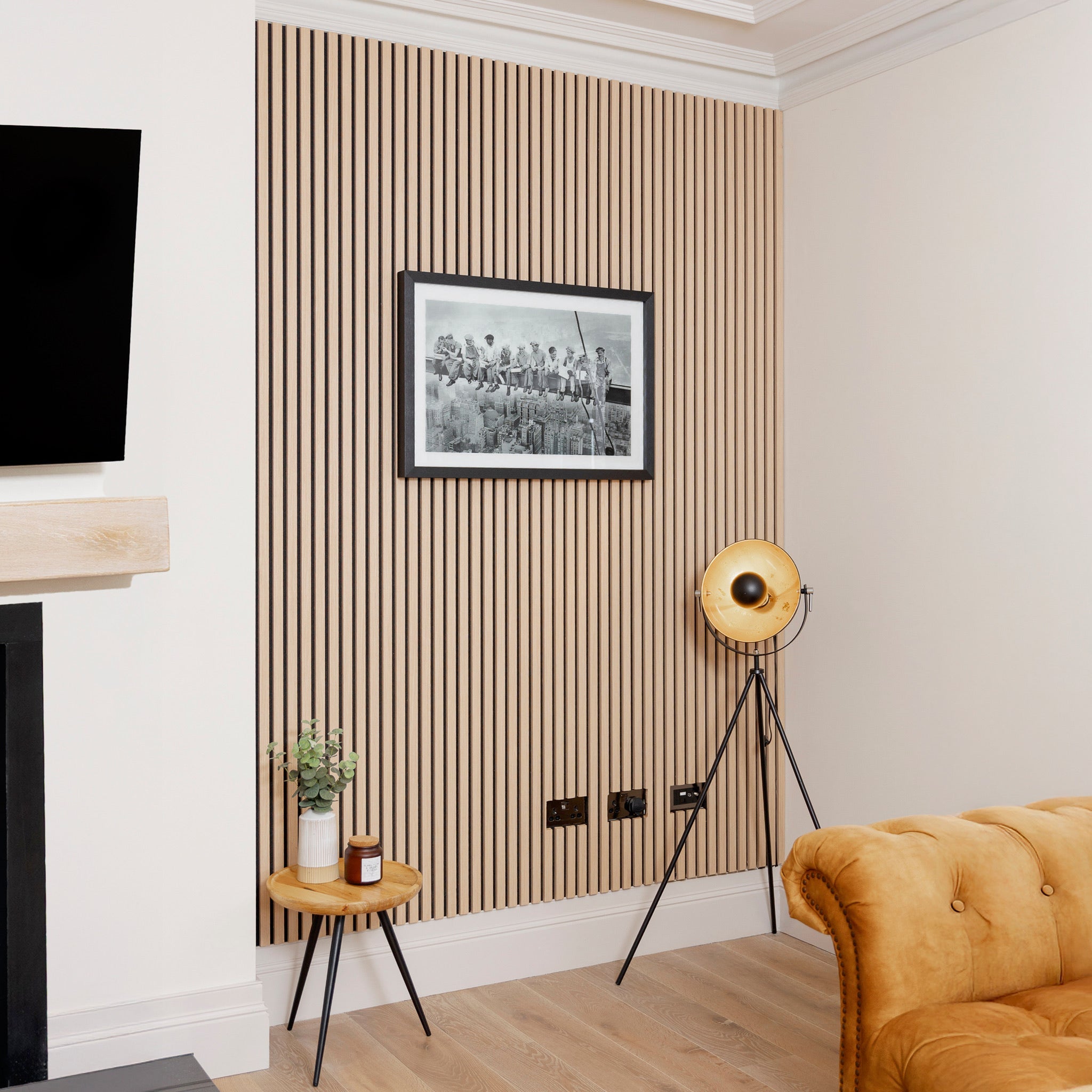
Oak-effect acoustic wall panels have become a favourite choice among homeowners, interior designers, and architects looking to create spaces that are both beautiful and functional. These panels offer the rich texture and warmth of natural oak without the challenges of sourcing and maintaining solid wood. When used strategically, they can transform a plain wall into a design feature while also improving sound quality within the room.
Selecting the right complementary finishes is an important step in achieving a polished and professional look. From paint colours and flooring options to lighting choices and furniture materials, every element you choose will influence the final result. The right combination can enhance the natural beauty of oak-effect panels and make your space feel cohesive, comfortable, and visually appealing.
Understanding Oak-Effect Acoustic Wall Panels
To choose the right finishes, it helps to understand what oak-effect acoustic wall panels are and why they work so well in modern spaces. At Innest, the In-slat™ collection of panels combines style with practicality. Each panel typically consists of a decorative oak-effect veneer applied to vertical slats that are mounted on a sound-absorbing felt backing. This construction not only brings a natural timber aesthetic but also provides measurable acoustic benefits by reducing echo and reverberation.
This makes them ideal for home offices, open-plan living rooms, bedrooms, and commercial spaces such as meeting rooms or reception areas where noise reduction is important. The oak effect provides a neutral, versatile backdrop that works with many interior design styles, from Scandinavian minimalism to industrial loft spaces. Because they are not actual solid oak, they are often more affordable, easier to install, and available in consistent finishes that simplify matching with other elements in the room.
Choosing Paint Colours to Pair with Oak-Effect Panels
Wall colour is one of the most impactful decisions you will make when styling oak-effect panels. The colour surrounding the panels will determine whether they blend subtly into the background or stand out as a statement feature.
For a minimalist approach, choose soft whites, light greys, or muted off-whites. These tones make the oak grain the star of the room and help create an open, uncluttered aesthetic. For those who prefer a warmer feel, opt for earthy tones like muted terracotta, taupe, or warm beige. These colours enhance the natural character of the oak and create a cosy, inviting space that feels balanced and harmonious.
If your goal is to make a bold design statement, contrasting paint colours such as charcoal grey, deep navy, or rich forest green can work beautifully. These darker tones create a striking backdrop that highlights the vertical lines of the acoustic slats and adds drama and sophistication. For those seeking a light and airy Scandinavian style, white walls combined with subtle pastel accents can keep the space feeling fresh while allowing the oak panels to add depth and warmth.
|
Design Style |
Recommended Paint Colours |
Effect Created |
|
Minimalist |
Soft whites, light greys |
Creates a clean, airy look that allows the oak grain to stand out |
|
Warm & Cosy |
Muted terracotta, taupe, beige |
Enhances the natural warmth of the oak finish |
|
Modern Contrast |
Charcoal grey, navy, deep green |
Adds drama and sophistication, making panels a focal point |
|
Scandinavian |
White with pastel accents |
Keeps the space bright and fresh, perfect for a hygge-inspired home office |
Whichever colour you choose, consider using a matt or eggshell paint finish rather than gloss. Matt finishes avoid harsh reflections and create a softer, more natural appearance that pairs well with the organic look of oak.
Flooring Options that Complement Oak-Effect Panels
Flooring is another key finish that can make or break the overall aesthetic. Because oak-effect acoustic wall panels already bring texture to the walls, your flooring choice should complement rather than compete with them.
If you prefer a seamless look, select a flooring material that matches the tone of the oak panels. Engineered oak flooring in a similar shade creates a continuous visual flow, making the space feel larger and more unified.
For a more dynamic and modern approach, use flooring in a contrasting colour. Dark-stained wood, walnut, or even polished concrete can create a dramatic visual contrast that highlights the warmth of the oak-effect panels. This approach works particularly well in contemporary and industrial interiors, where contrast adds character.
In spaces where acoustics are a top priority such as home cinemas, nurseries, or officessoft flooring can further enhance sound absorption. Wall-to-wall carpet or large area rugs not only reduce footstep noise but also add comfort underfoot.
Furniture Finishes for a Cohesive Space
Furniture finishes should work in harmony with your panels. Matching wood tones can create a unified and natural look, while mixed finishes can add interest and personality.
- Oak or Ash Furniture: Reinforces the natural look and creates a calming, consistent feel.
- Black or Powder-Coated Metal Frames: Provide a contemporary edge and work well for office desks, shelving, and modern dining tables.
- Upholstered Pieces: Soft fabrics and textures can add warmth and improve acoustic comfort, helping to balance hard surfaces.
- Glass and Chrome Accents: Ideal for contemporary spaces, these finishes offer contrast and keep the room feeling open.
When mixing materials, keep a consistent colour temperature (warm or cool tones) to avoid clashing.
Lighting Choices to Highlight Your Panels
Lighting has a powerful effect on how oak-effect acoustic wall panels are perceived. The right lighting will accentuate the texture of the slats and bring out the richness of the wood tone.
Choose warm white lighting (between 2700K and 3000K) to enhance the natural warmth of oak. Avoid overly cool, bluish lighting as it can make the wood look flat or washed out. For maximum impact, use wall washers or directional spotlights to highlight the vertical slats and create depth.
Pendant lights can be strategically placed to draw attention to a panelled feature wall in a dining room, bedroom, or workspace. Consider dimmable lighting options so that you can adjust brightness depending on the mood you want to create.
Acoustic Benefits and Practical Considerations
It’s important to remember that oak-effect acoustic wall panels are not just a decorative feature—they are also functional. The felt backing and slatted design help absorb sound waves, reducing echo and making the space more pleasant to be in.
To maximise this effect, avoid covering too many other surfaces in reflective materials like glass, metal, or glossy finishes. Instead, incorporate textiles such as curtains, cushions, and soft seating to complement the acoustic performance of the panels. In a commercial space, pairing the panels with acoustic ceiling tiles or soft partitions can dramatically improve speech clarity, reduce distractions, and increase productivity.
Bringing It All Together
Creating a cohesive space is about more than choosing finishes that look good individually; it’s about ensuring they work together to create balance and harmony. A great way to plan your design is to build a mood board that includes samples of your chosen paint colours, flooring, fabric swatches, and oak-effect acoustic panel finishes. Seeing these elements side by side helps you visualise how they will look in the final room and prevents mismatched choices.
If you are unsure about which combinations will work best, you can contact us for expert advice. The Innest team can guide you through selecting paint colours, flooring types, and complementary materials so that your oak-effect acoustic wall panels achieve both aesthetic appeal and optimal acoustic performance.
Frequently Asked Questions
Yes. Mixing wood finishes can create depth and interest, but it’s best to stay within a similar colour palette. Pair light oak-effect panels with ash or birch for a light and airy look, or use walnut for a rich, contrasting style.
hey can work well in kitchens, particularly open-plan designs where noise from cooking and dining can be disruptive. However, they should be kept away from direct water sources and areas with heavy grease exposure to maintain their appearance and durability.
Maintenance is simple. Regular dusting with a dry cloth or a vacuum with a soft brush attachment will keep them looking fresh. Avoid harsh chemicals, which could damage the finish or acoustic felt backing.
While their main purpose is acoustic absorption, the felt layer does offer some additional thermal insulation. This can help maintain a stable indoor temperature and potentially reduce energy costs over time.
Yes, most oak-effect acoustic panels are designed for easy installation and come with clear instructions. However, professional installation can ensure precise alignment, especially if you want the panels to cover a large wall area or form a pattern.


